
Understanding the true cost of vehicle evaluations in 2026 requires more than just a trip to the mechanic. As digital transformation reshapes automotive services, the question of how much is car inspections now spans beyond basic diagnostics to include AI-driven assessments, digital documentation, and high-quality visual reporting.
Quick Answer: Vehicle inspections in the U.S. typically range from $20 to $100, with state-mandated safety checks averaging around $50, according to data from CostWhale. However, comprehensive inspections—especially those used for resale, leasing, or fleet management—can reach $200 depending on depth and location.
This guide explores the factors shaping inspection pricing in 2026, including inspection types, regional variances, and the growing role of AI in streamlining vehicle evaluations. We’ll also examine how businesses can reduce overhead by integrating smart tools like Car Photo Booth to automate high-quality image generation for listings—eliminating costly studio shoots while improving buyer trust.
Table of Contents
- Types of Car Inspections and Their 2026 Price Ranges
- Why Vehicle Inspections Matter for Automotive Businesses
- How AI Is Transforming Vehicle Evaluation and Imaging
- Choosing the Right Inspection Provider in 2026
- Car Inspection Cost FAQs in 2026
- Maximizing Value from Car Inspections in 2026
Types of Car Inspections and Their 2026 Price Ranges
Vehicle inspections in 2026 are no longer one-size-fits-all. Pricing and scope vary significantly based on purpose, vehicle class, and regional standards. Understanding these categories helps businesses and consumers allocate budgets accurately and ensure compliance, safety, and resale readiness. Below is a breakdown of the most common inspection types, their components, and expected costs.
Pre-Purchase Inspections: What You Get and What It Costs
Pre-purchase inspections are critical for used car buyers, dealers, and Turo hosts evaluating a vehicle’s condition before acquisition. These assessments typically include engine performance, transmission function, suspension integrity, brake wear, fluid levels, and frame damage. For standard vehicles, prices range from $150 to $300, though mainstream brands often fall toward the lower end. Specialty inspections for European luxury models—such as BMW, Mercedes, Porsche, and Audi—require marque-specific diagnostics and can cost $300 to $600 at authorized or specialty shops. According to RepairPal’s 2026 estimates, average costs vary widely by region, with urban centers like Los Angeles and New York commanding premiums due to labor rates and diagnostic complexity.
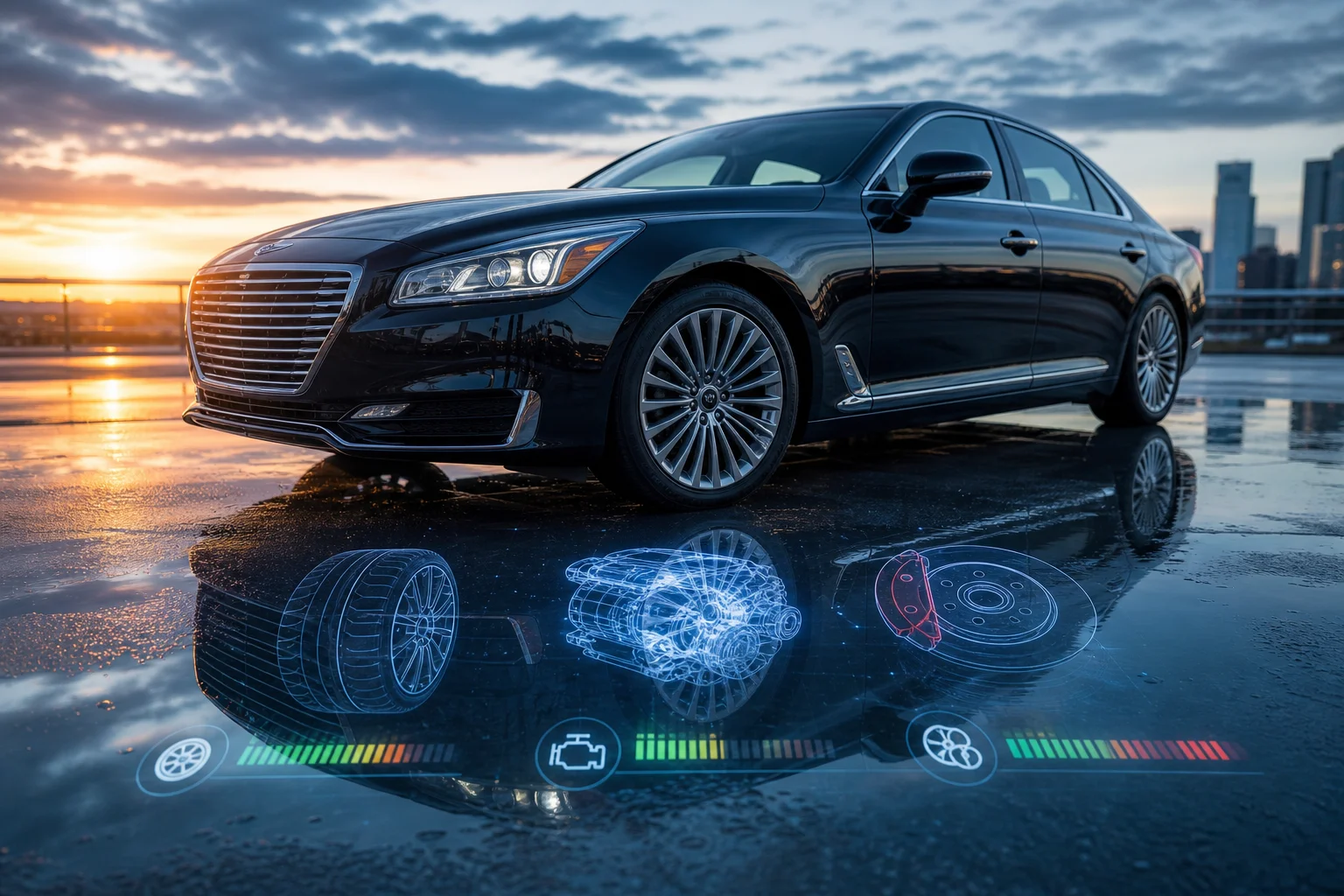
Visualizing advanced diagnostics in pre-purchase inspections with AI data integration
Multi-Point Inspections for Routine Maintenance
Multi-point inspections, commonly offered during oil changes or scheduled service visits, evaluate 30 to 100 vehicle components. These include tire tread depth, battery health, alignment, exhaust, and lighting systems. Unlike full diagnostics, they focus on preventive maintenance rather than troubleshooting active issues. Most dealerships include these checks at no additional cost to build customer trust and upsell repairs. When billed separately, prices typically range from $50 to $200, depending on the number of points assessed. Fleet operators and rental platforms benefit from standardized checks to maintain vehicle uptime and safety compliance.
Diagnostic vs. Trip-Readiness Checks in 2026
Diagnostic inspections target specific mechanical or electronic issues, particularly check engine light analysis, sensor failures, or drivability concerns. In early 2026, these services average $122 to $233, reflecting advanced scan tools and technician expertise. In contrast, trip-readiness checks—ideal for Turo hosts preparing vehicles for renters or dealers refreshing inventory—are preventive, covering tire pressure, coolant levels, battery charge, and fluid top-offs. These typically cost $60 to $100 and ensure vehicles meet safety and performance standards before use. While diagnostic work demands deep technical analysis, trip-readiness checks emphasize efficiency and presentation—complementing high-quality visual documentation.
At Car Photo Booth, we support this final stage by enabling instant transformation of standard inspection photos into studio-quality images, ensuring every vehicle listing projects professionalism and trust.
| Inspection Type | Typical 2026 Cost Range | Key Use Cases |
|---|---|---|
| Pre-Purchase Inspection | $150–$600 | Used car buyers, dealers, Turo hosts |
| Multi-Point Inspection | $50–$200 (often free) | Routine maintenance, fleet management |
| Diagnostic Inspection | $122–$233 | Check engine light, mechanical issues |
| Trip-Readiness Check | $60–$100 | Seasonal prep, rental turnover, inventory |
Why Vehicle Inspections Matter for Automotive Businesses
Beyond regulatory compliance, vehicle inspections are strategic assets for automotive businesses in 2026—driving trust, reducing liability, and enhancing digital presentation. For dealerships, Turo hosts, and fleet operators, a documented inspection is not just a checklist; it’s a risk mitigation tool, a sales enabler, and a foundational element of high-quality visual marketing.
Reduce Risk of Mechanical Failures and Returns
Undisclosed mechanical issues are a leading cause of post-sale disputes and rental cancellations. A thorough pre-listing inspection identifies hidden defects before they become costly liabilities. For online car sellers, where buyers cannot test every function in person, this transparency prevents returns and protects reputation. Early detection of wear items—brakes, suspension, or fluid leaks—allows for proactive repairs, avoiding breakdowns that damage customer trust and incur service expenses.
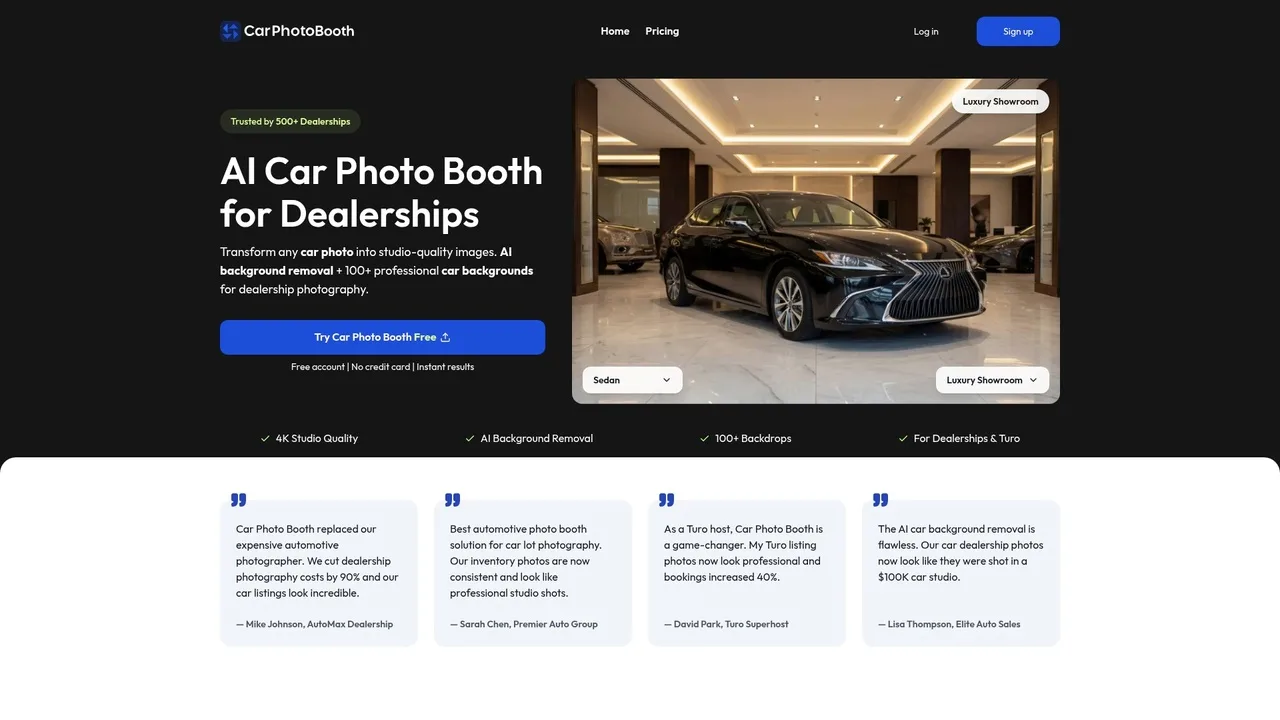
Car Photo Booth interface for transforming standard inspection photos into studio-quality visuals
Enhance Customer Confidence in Digital Listings
Buyers increasingly rely on remote evaluations, making inspection transparency a conversion catalyst. Listings paired with detailed inspection summaries signal professionalism and honesty, directly influencing purchase decisions. When potential renters or buyers see evidence of a verified vehicle condition, hesitation decreases. This is especially critical on peer-to-peer platforms like Turo, where trust is the primary currency. Verified inspection data complements high-resolution visuals, creating a cohesive narrative of reliability.
Support High-Quality AI Automotive Photography
The condition of a vehicle directly impacts the effectiveness of AI-powered photography. Clean, well-maintained cars with documented inspections produce more compelling digital assets. At Car Photo Booth, we integrate physical readiness with visual excellence—transforming standard photos into studio-quality images that reflect the vehicle’s verified state. When AI removes the background and places a car in a premium environment, the authenticity of the underlying vehicle becomes even more visible. A spotless interior, aligned wheels, and polished surfaces, all confirmed through inspection, ensure the final AI-enhanced image resonates with credibility and appeal.
How AI Is Transforming Vehicle Evaluation and Imaging
The integration of artificial intelligence into vehicle evaluation is redefining how automotive businesses assess, present, and monetize vehicles. No longer limited to manual inspections and costly photo shoots, dealerships and rental operators now leverage AI to unify condition reporting with visual storytelling. By analyzing inspection data—such as paint integrity, tire wear, and interior cleanliness—AI systems can optimize image rendering, ensuring that digital representations align with verified physical states. This synchronization reduces discrepancies, accelerates listing preparation, and enhances buyer confidence.
From Inspection Reports to AI-Enhanced Visual Content
Inspection findings are no longer siloed in PDFs. Forward-thinking platforms now feed structured condition data directly into AI imaging engines. When a vehicle’s surface defects or maintenance history are documented, the AI can adjust lighting, shadowing, and background placement to highlight strengths and minimize imperfections—ethically and transparently. For example, a car with freshly detailed rims and documented tire replacement can be rendered against a dynamic urban backdrop, emphasizing readiness for immediate use. This automation slashes the time from inspection to publish-ready content from days to minutes, enabling high-volume sellers and Turo hosts to maintain consistent, trustworthy listings at scale.
Car Photo Booth: Automating Professional Car Imagery with AI
At Car Photo Booth, we’ve engineered this convergence of inspection and imaging. Our AI analyzes standard smartphone photos, detects the vehicle’s contours, and removes cluttered backgrounds in seconds. It then places the car in one of 100+ studio-quality environments—showroom, white seamless, scenic routes—tailored to the brand or platform. When paired with up-to-date inspection data, the output isn’t just visually polished; it’s contextually accurate. Dealerships use this workflow to generate uniform, credible imagery without studio fees, while rental hosts elevate their fleet’s perceived value. The system integrates seamlessly into existing evaluation pipelines, turning every inspection into a launchpad for premium digital content.
Cost Comparison: Traditional Photography vs. AI Imaging
| Service Type | Cost Per Vehicle | Notes |
|---|---|---|
| Traditional Studio Shoot | $100–$300 | Based on multi-hour sessions, lighting setup, and post-production SimpSocial |
| AI Imaging (e.g., Car Photo Booth) | $5–$20 | Includes background removal, enhancement, and scene application DealerRefresh Forum |
For businesses asking how much is the car inspection really costing when factoring in presentation, the answer lies in total operational efficiency. AI imaging reduces photography expenses by up to 75%, allowing teams to reinvest savings into more thorough evaluations or expanded inventory coverage.
Choosing the Right Inspection Provider in 2026
Selecting a reliable inspection provider in 2026 requires more than comparing base prices—it demands a strategic evaluation of expertise, transparency, and digital compatibility. For automotive businesses, the true cost of a car inspection isn't just the invoice; it's the long-term impact on listing quality, customer trust, and operational scalability. The right partner delivers consistent, audit-ready results that integrate seamlessly into modern sales and rental workflows.
Verify ASE Certification and Service Transparency
Prioritize providers that employ ASE-certified technicians, who must pass rigorous exams and complete substantial hands-on training to earn credentials. These professionals are required to renew their certifications every five years, ensuring they stay current with evolving vehicle systems and diagnostic standards, according to ASE (Automotive Service Excellence). Ask for proof of certification and request a detailed inspection checklist to confirm that critical components—from braking systems to battery health—are systematically evaluated. This level of rigor minimizes oversights and strengthens buyer confidence.
ASE-certified technicians using digital tools for transparent, detailed vehicle evaluations
Compare What’s Included—and What’s Not
Beware of providers with vague service descriptions or bundled packages that omit key diagnostics. A low upfront quote can quickly escalate with add-ons for emissions testing, tire tread analysis, or digital reporting. Always request an itemized scope of work before booking. Transparency here ensures accurate cost forecasting and prevents delays in inventory turnover—especially critical for high-volume dealerships and rental fleets.
Leverage Digital Reporting for AI Integration
Choose providers that deliver structured, digital inspection reports in formats like PDF or API-compatible outputs. These files can be automatically synced with AI-driven platforms such as Car Photo Booth, where inspection data enriches image metadata and supports context-aware enhancements. This integration streamlines the transition from evaluation to listing, turning technical assessments into compelling visual narratives—without manual re-entry or formatting delays.
Car Inspection Cost FAQs in 2026
How often should I get my car inspected?
For personal vehicles, an annual inspection is recommended to maintain safety and resale value. Commercial operators, including dealerships and Turo hosts, should inspect vehicles before listing or re-leasing to ensure transparency and minimize liability.
Is a car inspection the same as a diagnostic?
No—inspections are comprehensive visual and functional assessments covering tires, lights, brakes, and fluid levels, while diagnostics use specialized tools to identify active or hidden mechanical and electronic issues. Both are valuable, but serve distinct purposes in vehicle evaluation.
Can I sell a car without an inspection?
Yes, in most states, private sellers aren’t legally required to provide an inspection. However, offering a recent inspection report significantly boosts buyer confidence, reduces post-sale disputes, and can accelerate the sales process—especially for online listings where trust is critical.
Are inspections required in all U.S. states?
As of January 2026, 17 U.S. states and the District of Columbia mandate periodic safety and/or emissions inspections, while states like Iowa, Montana, and Tennessee have no statewide requirements, according to Alibaba Product Insights. Always verify local regulations based on registration jurisdiction.
We at Car Photo Booth integrate seamlessly with digital inspection reports, allowing automotive businesses to pair certified vehicle condition data with AI-enhanced imagery—turning technical details into compelling, trustworthy visuals for listings.
Maximizing Value from Car Inspections in 2026
Understanding how much car inspections cost in 2026 requires recognizing their role as strategic investments, not just compliance expenses. Prices vary widely by inspection type, region, and provider, but the long-term value—reduced liability, faster sales, and stronger buyer trust—far outweighs the initial outlay. For automotive businesses, the true return emerges when inspection data is paired with high-impact visual presentation. This is where AI-powered tools like Car Photo Booth deliver measurable advantage: we transform basic vehicle photos into studio-quality images in seconds, removing cluttered backgrounds and placing cars in professional settings that align with inspection reports. The result? Listings that combine verified condition with compelling aesthetics, accelerating buyer decisions. By integrating trusted inspections with AI-enhanced imagery, dealers, Turo hosts, and fleet operators can significantly reduce marketing costs while elevating perceived value across every listing.