
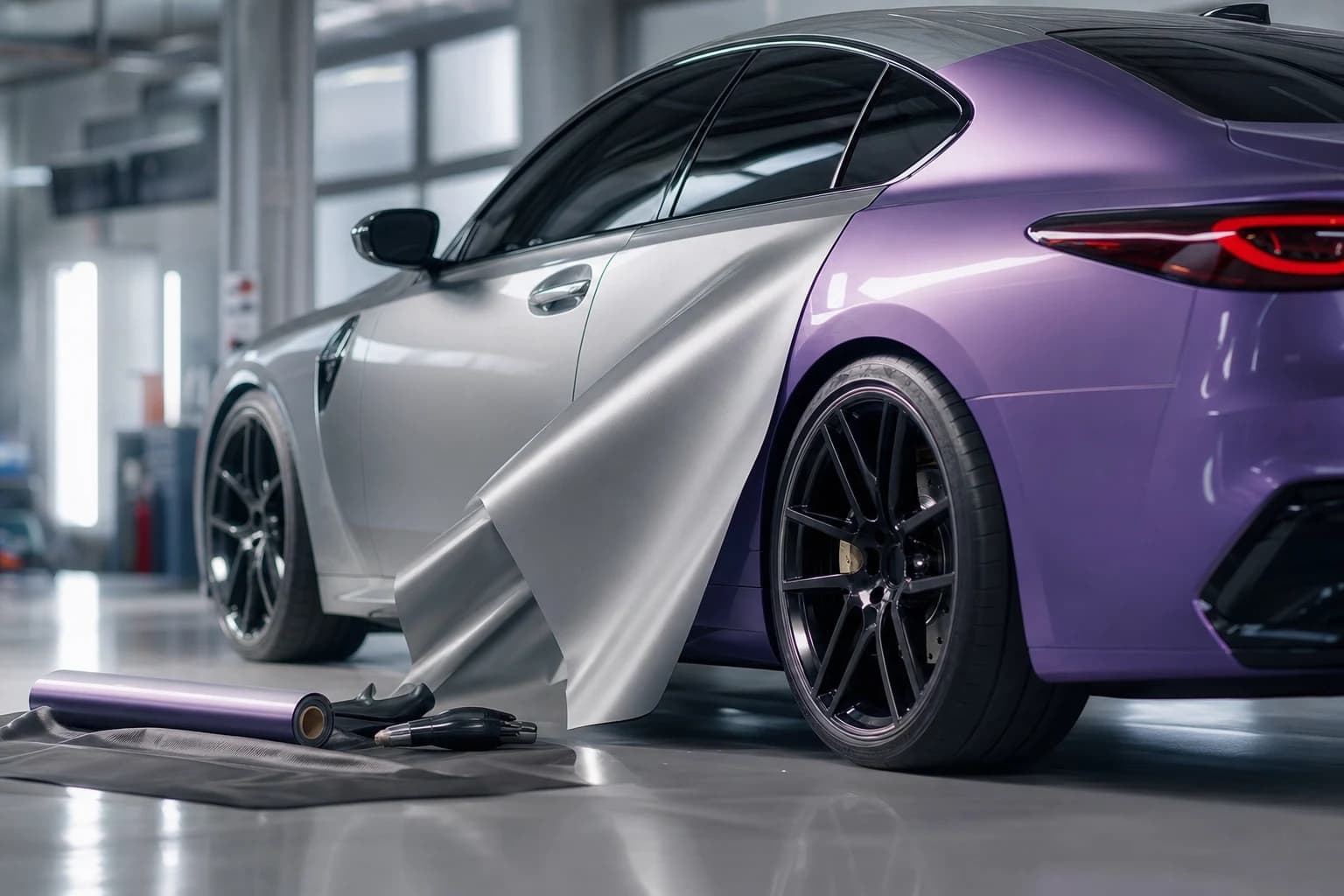
Changing car colors in photos has become a game-changer for automotive marketing in 2026. Whether you're visualizing how that red sedan would look in silver, or showing customers color options before purchase, color visualization in vehicle photography transforms how dealers and photographers present inventory online.
Quick Answer: You can change car colors in photos using AI-powered tools that automatically recolor vehicles while preserving realistic shadows, reflections, and details. These solutions let you create multiple color variations from a single photo, dramatically reducing photography costs and shoot time for automotive listings and catalogs.
For automotive dealers, Turo rental hosts, and professional photographers, this capability solves a persistent problem: the high cost and time investment of traditional studio photography. Instead of shooting each vehicle in multiple colors or relying on limited stock inventory, you can generate professional color variations instantly. This means faster time-to-market for listings, lower production costs, and the ability to showcase exactly what customers are searching for—whether that's pearl white, midnight blue, or any other option that drives conversions in your automotive marketing.
Table of Contents
- Why Showing Multiple Car Colors Increases Sales and Buyer Interest
- Traditional vs. Modern Methods: Changing Car Colors in Marketing Visuals
- Using AI Tools to Instantly Generate Color Variations of Your Vehicles
- Color Psychology and Best Practices for Marketing Multiple Vehicle Colors
- Implementation Guide: Adding Color Variants to Your Online Listings and Catalogs in 2026
- Final Thoughts: Color Variants as a Competitive Advantage for Auto Sales in 2026
Why Showing Multiple Car Colors Increases Sales and Buyer Interest
Color represents far more than an aesthetic choice in automotive sales—it's a decisive factor that directly influences purchasing decisions. According to Axalta's comprehensive survey, color is a key factor in 88% of vehicle purchasing decisions, with the majority of buyers stating they would rather wait for their preferred color than accept a second-choice alternative. This underscores a critical reality: buyer preferences for specific colors determine not just which vehicles customers consider, but whether they complete a purchase at all.
When dealers and rental hosts present inventory in only one color, they significantly narrow their potential audience. Vehicle appeal depends heavily on color matching each buyer's specific vision. A buyer searching for pearl white may scroll past the identical vehicle in graphite, never realizing what they're missing. In high-preference markets like China, 64% of buyers would change manufacturers entirely to find their preferred color—a pattern that repeats across geographies and demographics. American car buyers show similar commitment: 79% consider color important, with nearly half rating it very or extremely important.
Offering multiple color variations directly reduces customer inquiry time and friction. Instead of fielding questions about whether the vehicle comes in blue or silver, you provide immediate visual confirmation. This expanded approach to inventory presentation enhances buyer engagement by eliminating speculation and creating the certainty buyers need before proceeding to contact you. The competitive advantage is measurable: dealers with comprehensive color options experience faster conversions, while those limiting themselves to single-color listings lose qualified buyers to competitors who demonstrate the full visual range of what's available.
Visualizing the spectrum of buyer choice through color options
Traditional vs. Modern Methods: Changing Car Colors in Marketing Visuals
The challenge of presenting vehicles in multiple colors has traditionally forced dealers into an expensive choice: either conduct costly studio reshoots or rely on time-consuming manual photo editing. Both approaches created bottlenecks in inventory management and delayed marketing launches.
Manual Photoshop Editing: Time-Intensive and Expensive
Professional manual color-change editing requires skilled technicians working with selection tools, masking layers, and color overlays to achieve realistic results. The process demands genuine expertise—amateur work produces obvious artifacts that damage credibility. According to Livingcolors Studio, professional photo editing services typically cost $5 to $50 per image for advanced retouching. A single vehicle recolor often takes 2–4 hours per variation; multiplied across inventory, this becomes prohibitively expensive for dealers managing dozens or hundreds of listings. Consistency suffers when different editors handle different vehicles, resulting in varying quality standards that undermine professional presentation.
AI-Powered Color Transformation: Speed and Consistency
Modern artificial intelligence transforms this workflow entirely. AI-powered color simulation tools instantly recolor vehicles while preserving authentic lighting, reflections, and metallic effects. What previously required hours now completes in seconds. Tools like Car Photo Booth eliminate manual masking entirely—the AI identifies vehicle surfaces automatically and applies color changes with photorealistic accuracy. This approach delivers both speed and consistency: every recolor maintains the same professional standard, and dealers can generate unlimited variations without additional cost per image.
| Aspect | Traditional Editing | AI Color Simulation |
|---|---|---|
| Time per image | 2–4 hours | Seconds |
| Cost per variation | $5–$50 | Included in subscription |
| Consistency | Variable | Uniform |
| Expertise required | High | None |

The shift from time-intensive manual editing to instant AI transformation
Using AI Tools to Instantly Generate Color Variations of Your Vehicles
Color visualization remains one of the highest-impact yet most time-consuming tasks in automotive photography. Dealers and photographers traditionally spend hours manually recoloring images. AI photography tools eliminate this bottleneck—automating color transformation while maintaining studio-grade quality. The workflow shifts from "one car, one color, many hours" to "one photo, unlimited colors, seconds."
Step-by-Step: Creating Color Variants with AI Photo Tools
The process requires no design expertise:
- Capture or prepare a high-quality car photo (front three-quarter view works best for dealer listings)
- Upload the image to an AI tool—such as Car Photo Booth—that supports automated color variants
- Select desired colors from a palette or template library
- Generate variants in seconds (5–10 color options per upload)
- Download all versions as publication-ready files
No masking, layering, or manual color correction required. The AI automatically isolates the vehicle and applies color changes while leaving backgrounds, lighting, and shadows intact. What once demanded hiring a designer now takes seconds.
Maintaining Consistency Across Color Variations
Professional studio photography shows consistent lighting across vehicles. Manual recoloring breaks this consistency—shadows shift, metallics appear incorrect, reflections change unexpectedly. AI-powered photo transformation tools solve this by understanding how light behaves on vehicle surfaces. They automatically adjust reflections, highlights, and metallic effects to match the original lighting conditions.
The result: every color variant emerges with identical studio-quality lighting and shadow placement. Your inventory appears cohesive whether customers view a red, silver, or black option.
This consistency matters for buyer confidence. An unprofessional recolor immediately signals "edited." A polished, uniform set of color variations reads as authentically available. Dealers report that consistent, professional color options increase buyer engagement and reduce uncertainty during the consideration phase—customers feel they're seeing genuinely available vehicles, not AI experiments.
Color Psychology and Best Practices for Marketing Multiple Vehicle Colors
Color psychology directly influences purchasing decisions. Black conveys luxury and sophistication—essential for premium vehicles. White suggests cleanliness and modernity, appealing universally across segments. Red attracts attention and signals performance. Gray projects neutrality and professionalism. Silver appeals to practical buyers valuing contemporary styling. These associations shape which color variants your inventory should showcase.
According to iSeeCars' analysis of 22 million vehicles, grayscale colors represent 80.4% of the U.S. market, with white at 25.7%, black at 23.4%, and gray at 22.9% as of 2025. Yet buyer behavior extends beyond raw popularity. Color choice can create resale value differences exceeding $3,000, with certain hues retaining value significantly better than average—a factor that shapes buyer confidence in their purchase.
For effective visual merchandising, present 3-5 color variants per vehicle. Always include white and black as universal foundations, add gray for credibility, then one accent color aligned to your vehicle class—silver for sedans, vibrant options for sports models. Geographic markets matter critically; sunbelt dealers should emphasize light colors for heat perception, while northern climates accept deeper tones more readily. Demographic targeting proves equally important—luxury buyers respond to blacks and silvers, families prefer whites and grays, enthusiasts gravitate toward metallics and saturated colors.
The right color strategy transforms engagement by addressing both rational purchase drivers, like resale value, and emotional ones rooted in color psychology.
Implementation Guide: Adding Color Variants to Your Online Listings and Catalogs in 2026
Selecting High-Quality Hero Images for Color Transformation
Your color variants are only as strong as the original photograph. Start with images that show the vehicle's complete form under even, natural lighting—ideally captured outdoors in overcast conditions or in professional lighting setups. The vehicle should be clean, photographed at a three-quarter angle, with minimal background clutter. According to VDP IQ research, high-quality car photos increase online listing views by 47% and generate 62% more leads. Clean originals ensure your color transformation maintains detail, sharpness, and professional aesthetics across every variant you generate. Avoid heavily edited photos, extreme angles, or images with competing visual elements that distract from the vehicle. If you're using Car Photo Booth or similar AI platforms, upload your clearest hero shot first—the quality of that single image directly determines how convincing your five color variations will appear to buyers.
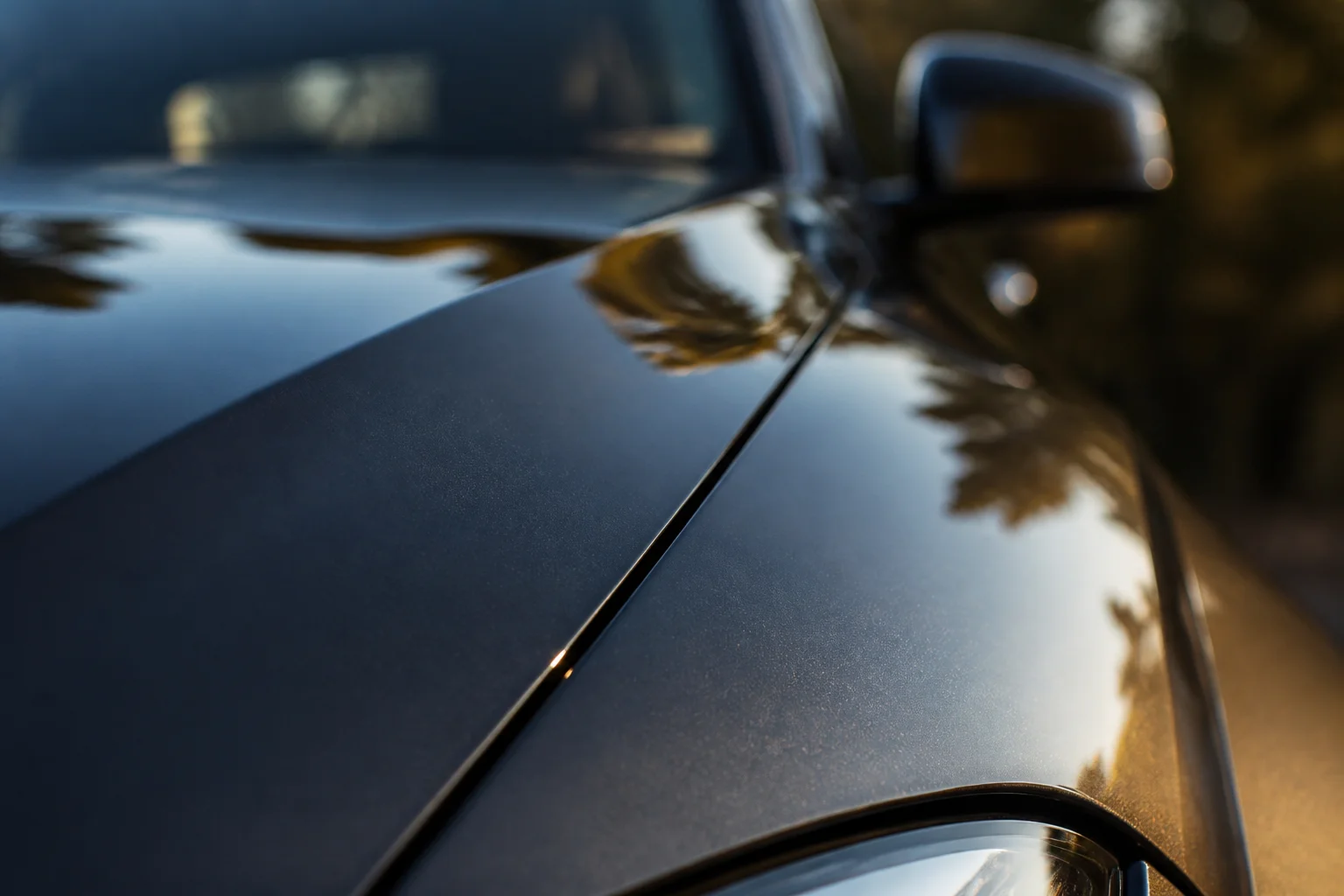
High-quality source photography is the foundation of realistic color variants
Organizing and Uploading Color Variants Across Platforms
Once you've generated 3–5 color variants per vehicle, establish a naming convention that scales: VehicleID-Make-Model-Color-Year.jpg (e.g., 12345-Toyota-Camry-Pearl-White-2024.jpg). Store variants in a folder hierarchy organized by vehicle ID, then color, so batch uploads remain manageable across Autotrader, Craigslist, Turo, and your dealership website. Use spreadsheets to track which variants you've uploaded to which platforms—this prevents duplicate listings and keeps your online inventory synchronized. Create a master file with vehicle specs, color codes, and upload dates; this simple organizational discipline saves hours when managing dozens of variants and ensures consistent platform integration across your entire sales funnel.
Measuring Success: Tracking Which Colors Drive Inquiries
Tag each color variant with a unique URL parameter or use platform-native analytics to track click-through and inquiry rates. Most listing platforms allow you to monitor views per image; cross-reference those metrics with customer inquiries to identify which colors resonate in your market. Repeat winners become your strategic defaults; underperformers inform future inventory selections. This data-driven approach transforms color selection from guesswork into predictive insight, directly accelerating sales cycles and optimizing listing performance for maximum ROI.
Final Thoughts: Color Variants as a Competitive Advantage for Auto Sales in 2026
Color variants are no longer a luxury in automotive marketing—they are a necessity. Every dealership, rental operator, and auto photographer competing for buyer attention now faces the same question: are you showing vehicles in multiple colors, or are you losing sales to competitors who do?
The evidence is clear across three dimensions. First, color variants reach broader audiences. A single vehicle photographed in black, white, and silver appeals to different buyer segments simultaneously. Prospective customers scrolling through your inventory find their preferred color faster, reducing friction in the discovery phase and keeping them engaged longer. Second, reducing time-to-sale becomes measurable when you eliminate the need for expensive studio reshoot cycles. Instead of waiting weeks for studio availability or rescheduling around weather, you generate professional color transformations in seconds—inventory moves faster, capital flows back in sooner, and your sales efficiency compounds across dozens of vehicles. Third, customer confidence rises when buyers see their chosen color rendered in studio-quality context. They move from imagining what a vehicle looks like to seeing it, reducing purchase anxiety and post-sale returns.
This represents a fundamental shift in how you must approach modern marketing. Dealers and rental platforms that continue relying on single-color photography are essentially hiding inventory potential. Those investing in color variant workflows—whether through AI tools or traditional reshoot methods—gain an immediate competitive edge. The operational difference is striking: traditional reshoots cost $500–$2,000 per vehicle and take 2–4 weeks. AI-powered color transformation costs pennies and takes minutes. For someone managing 50 vehicles, that's the difference between $25,000+ in studio fees and a subscription-based service that becomes part of your standard workflow.
The strategic advantage compounds further when you layer in data. By tracking which colors drive the most inquiries for each model in your market, you transform guesswork into predictive insight. You stock the colors buyers actually want, reduce slow-moving inventory, and optimize your supply chain around real demand signals.
Consider testing color variants on your next batch of inventory. Start with your best-selling models and highest-margin vehicles. Compare listing performance—views, time-on-lot, inquiry rates—between single-color and multi-color presentations. The data will likely surprise you. In 2026, color variants are not a competitive advantage for automotive businesses; they are simply how competitive businesses operate.