

Turning ordinary car photos into polished, studio-quality images no longer requires expensive equipment or professional photographers. Modern AI tools have fundamentally changed how automotive dealers, Turo hosts, and photographers create compelling inventory listings—transforming snapshots taken on any smartphone into images that rival traditional studio shoots. Whether you're looking to convert lot photos into professional backdrops or explore stylized automotive imagery, AI-powered solutions deliver results in seconds rather than hours.
Quick Answer: The fastest method is using AI background removal and replacement tools. Upload your car photo, let AI automatically remove the background, and apply one of 100+ professional backdrops (showroom, white studio, urban, nature scenes) instantly. Tools like Car Photo Booth process images in 10 seconds at 4K quality, costing as little as $3-$7 per image—far below the $30-$50 per-car cost of traditional photography. For stylized effects like watercolor or line-art transformations, specialized AI art generators offer additional creative options beyond standard background swaps.
This guide covers everything you need to know about transforming car photos into gallery-ready assets. You'll discover how AI background removal works, explore the best tools available for dealership photography, learn step-by-step methods to achieve professional results, and understand which solution fits your specific workflow. Whether you're processing dozens of inventory photos monthly or creating premium listings for high-value vehicles, these techniques will help you eliminate costly studio sessions while maintaining visual consistency across your entire catalog. We'll also address common mistakes that diminish image quality and show you how to maximize the impact of your transformed photos for online listings and marketing campaigns.
Table of Contents
- Best AI Tools to Convert Car Photos Into Professional Coloring Pages
- Why Car Photo Booth Dominates for Dealership & Turo Photography
- Generic vs. Automotive-Specific AI Tools: What's the Difference?
- Step-by-Step Guide: Converting Your Car Picture Into a Coloring Page Design
- Preparing Your Car Photo for Best Results
- Choosing the Right Style & Background for Your Use Case
- Real-World Benefits: Why Car Dealers & Turo Hosts Are Switching to AI Image Transformation
- Cost Reduction: From Studio Booth to AI Processing
- Consistency & Speed: Maintaining Professional Appearance Across Inventory
- Comparing Coloring Page Styles, Watercolor Effects & Line Art Transformations
- Studio Showroom Backgrounds: The Professional Standard
- Watercolor & Artistic Renderings: Standing Out in Crowded Listings
- Line Art & Minimalist Designs: Graphic Flexibility for Marketing
- Final Thoughts: Choosing the Right Tool to Transform Your Car Photos in 2026
Best AI Tools to Convert Car Photos Into Professional Coloring Pages
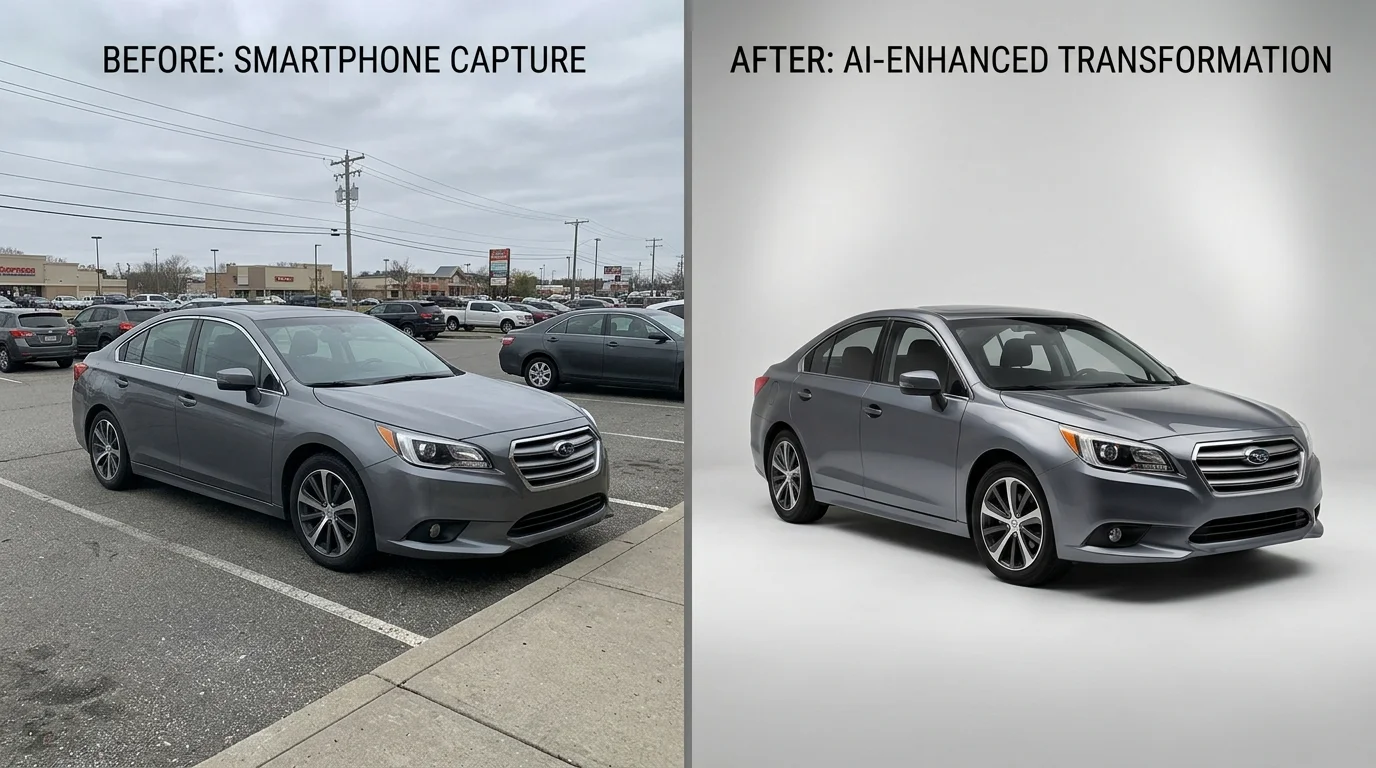
Why Car Photo Booth Dominates for Dealership & Turo Photography
Car Photo Booth stands apart as the automotive industry's most specialized solution for transforming raw lot photos into gallery-ready assets. Unlike generic AI tools designed for watercolor or line-art effects, Car Photo Booth was built specifically for dealership workflows—removing vehicle backgrounds in 10 seconds and replacing them with one of 100+ professionally curated studio environments. This specialization matters: the platform understands automotive lighting, vehicle proportions, and the aesthetic standards that drive buyer confidence.
For dealerships and Turo hosts processing dozens of inventory photos monthly, the economics are decisive. At $3–$7 per image, Car Photo Booth costs a fraction of traditional studio photography ($30–$50 per car) while maintaining consistency across your entire catalog. The 500+ dealerships already using the platform benefit from bulk processing, no watermarks, 4K export quality, and instant integration into listing workflows. Processing time compounds savings: what once required scheduling a photographer and renting studio space now takes seconds from a smartphone photo.
Generic vs. Automotive-Specific AI Tools: What's the Difference?
Generic coloring-page or watercolor AI generators—like Photoshop's generative fill, Canva's design suite, or broad-spectrum art tools—excel at creative illustration but falter with automotive subjects. These tools treat cars as generic objects, often misinterpreting vehicle anatomy, reflections, and proportions. When you feed a lot photo into a watercolor generator, the algorithm may blur critical details (wheels, trim, badging) that buyers use to evaluate condition and authenticity.
Automotive-specific tools like Car Photo Booth apply vehicle-aware AI that preserves mechanical detail while stylizing backgrounds. The system recognizes car edges with precision, maintains shadow and highlight integrity, and applies professional backdrops (showroom, white studio, urban, nature) that align with dealership marketing standards. This distinction is crucial: a Turo host listing a luxury sedan needs a backdrop that conveys premium positioning, not an abstract watercolor wash that obscures the vehicle's true appeal.
| Tool | Core Function | Price per Image | Best For | Processing Speed |
|---|---|---|---|---|
| Car Photo Booth | AI background removal + 100+ professional backdrops | $3–$7 | Dealerships, Turo hosts, bulk inventory | 10 seconds |
| Photoshop Generative Fill | Generic object removal & creative effects | $20–$55/month | Individual photographers, design professionals | 30–60 seconds |
| Canva | Template-based design + basic AI tools | $10–$20/month | Small businesses, social media content | 1–2 minutes |
| Artflow / Prisma | Watercolor & artistic filters | Free–$5/month | Creative portfolios, stylized art | 20–40 seconds |
| Remove.bg | Background removal only (no replacement) | $0.50–$2 | Quick background strips, transparency needs | 5 seconds |
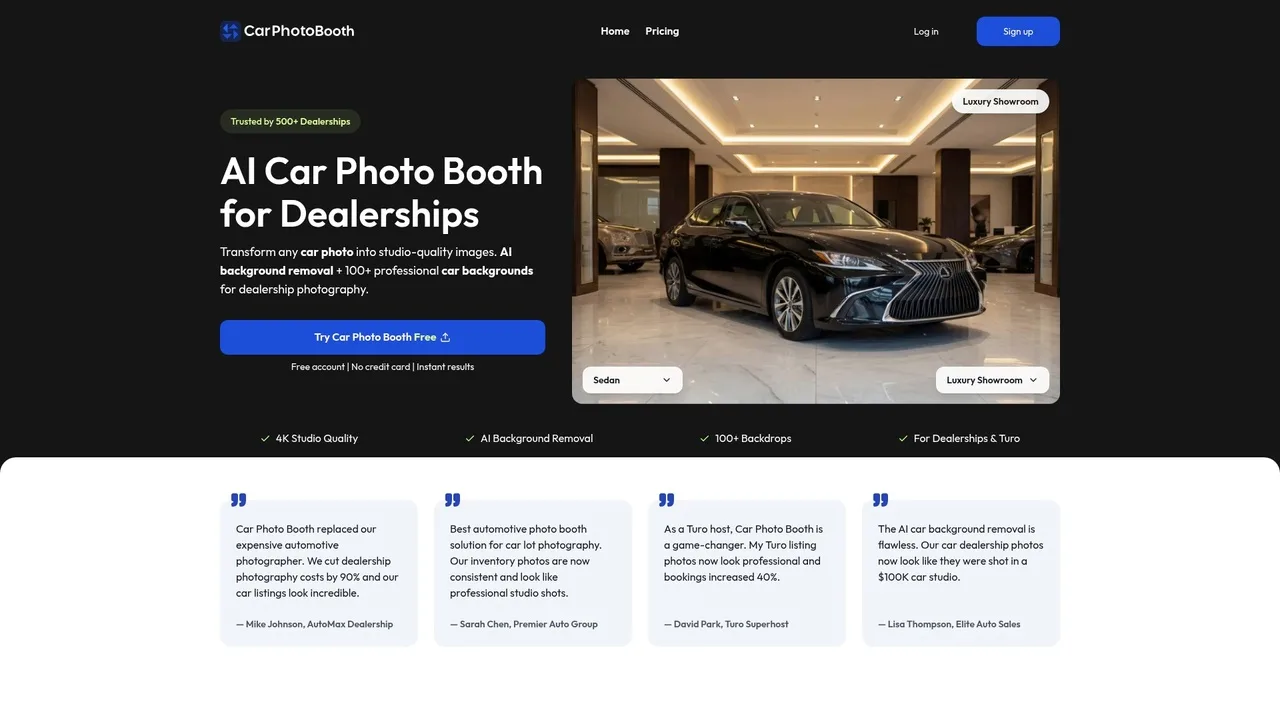
The comparison reveals a critical truth: generic tools optimize for artistic expression, while automotive solutions optimize for sales velocity. When your goal is moving inventory or maximizing Turo bookings, the difference between a watercolor effect and a professional showroom backdrop directly impacts conversion rates. Car Photo Booth's 100+ backdrops aren't decorative—they're conversion tools tested across thousands of dealership listings.
Step-by-Step Guide: Converting Your Car Picture Into a Coloring Page Design
Preparing Your Car Photo for Best Results
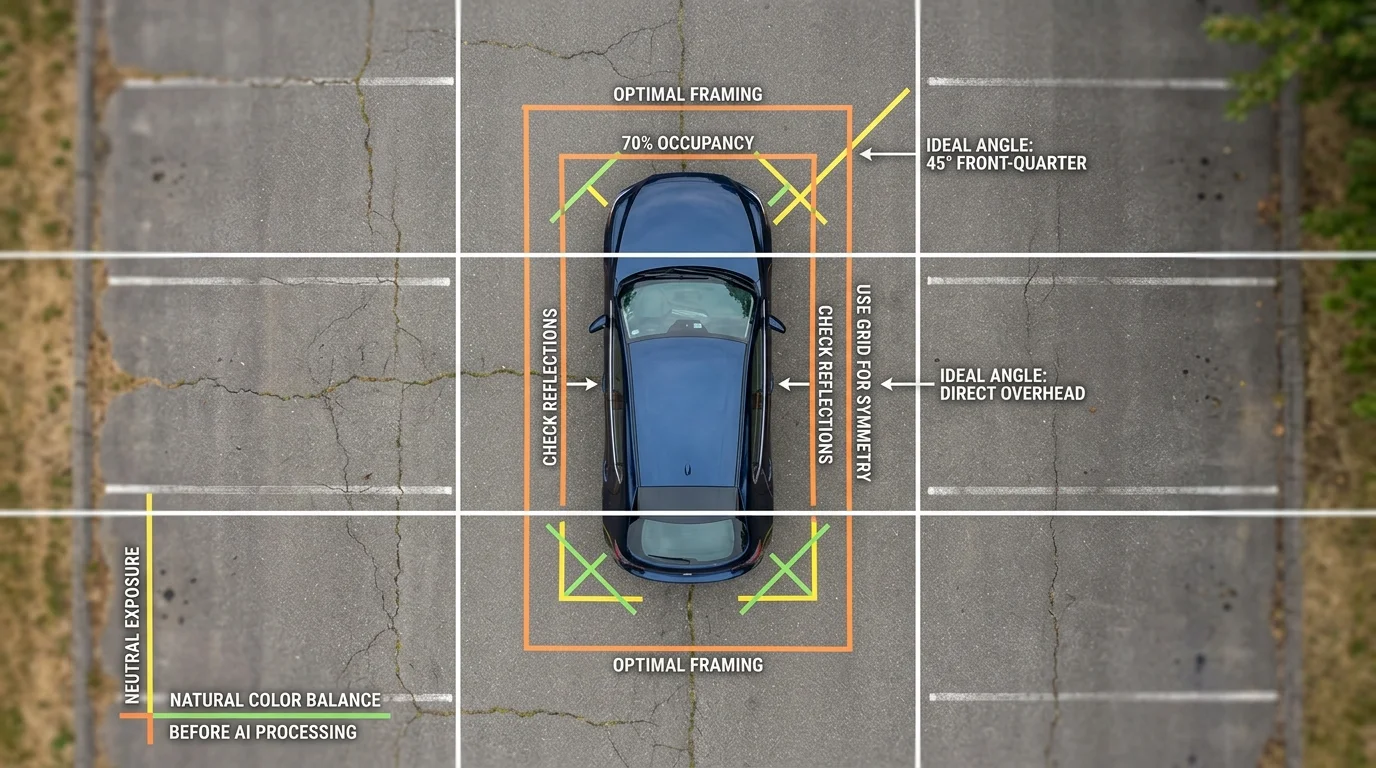
Before uploading your image, invest 30 seconds in preparation. Position your vehicle in clear, even lighting—natural daylight works best, but avoid harsh shadows across the hood or windshield. Frame the car so it occupies 60–80% of the image, with minimal clutter in the background (parking lot debris, other vehicles, or signage distract from the subject). Ensure your photo is at least 1080 pixels wide; AI tools handle resolution upscaling, but starting with a clean source image yields noticeably sharper output. If your photo is slightly underexposed or has color cast, don't worry—modern AI corrects these automatically during processing.
Choosing the Right Style & Background for Your Use Case
Your choice of visual style directly impacts conversion. For dealership inventory, professional studio backgrounds (white, showroom, or luxury settings) signal credibility and justify pricing. Turo hosts should lean toward lifestyle contexts—outdoor scenic drives, urban streets, or nature backdrops that tell a story and attract renters. If you're experimenting with line-art or watercolor effects, reserve these for social media content or creative portfolios, not primary sales listings. The background isn't decoration; it's a sales tool that frames the vehicle's condition and appeal.
The 6-Step Conversion Process:
Upload your car photo — Open Car Photo Booth and select your image file. The platform accepts JPG, PNG, and WebP formats. Processing begins instantly; no account setup required for the free trial.
Select your desired style — Browse 100+ professional backdrops organized by category: showroom, outdoor, luxury, minimalist, or lifestyle. Preview each backdrop in real-time against your vehicle.
Adjust vehicle positioning if needed — Most AI tools auto-detect and center the car. Fine-tune placement or zoom using simple sliders—no design skills required.
Preview the final result — Review the processed image at full resolution. Check for edge quality around the wheels and trim; modern AI handles these details cleanly.
Download your image — Export in 4K quality (3840×2160 pixels) for print catalogs, or 2K (2560×1440) for web listings. Both formats download in under 15 seconds.
Batch process multiple photos — Upload 10, 50, or 500 photos and apply the same background and settings to maintain visual consistency across your inventory or Turo portfolio.
The entire workflow—from upload to download—takes 10 seconds per image. For dealerships managing 200+ vehicles monthly, this replaces weeks of manual editing or thousands in studio rental costs. When you need to transform ordinary lot photos into studio-quality assets, batch processing at this speed becomes a competitive advantage.
Real-World Benefits: Why Car Dealers & Turo Hosts Are Switching to AI Image Transformation
Cost Reduction: From Studio Booth to AI Processing
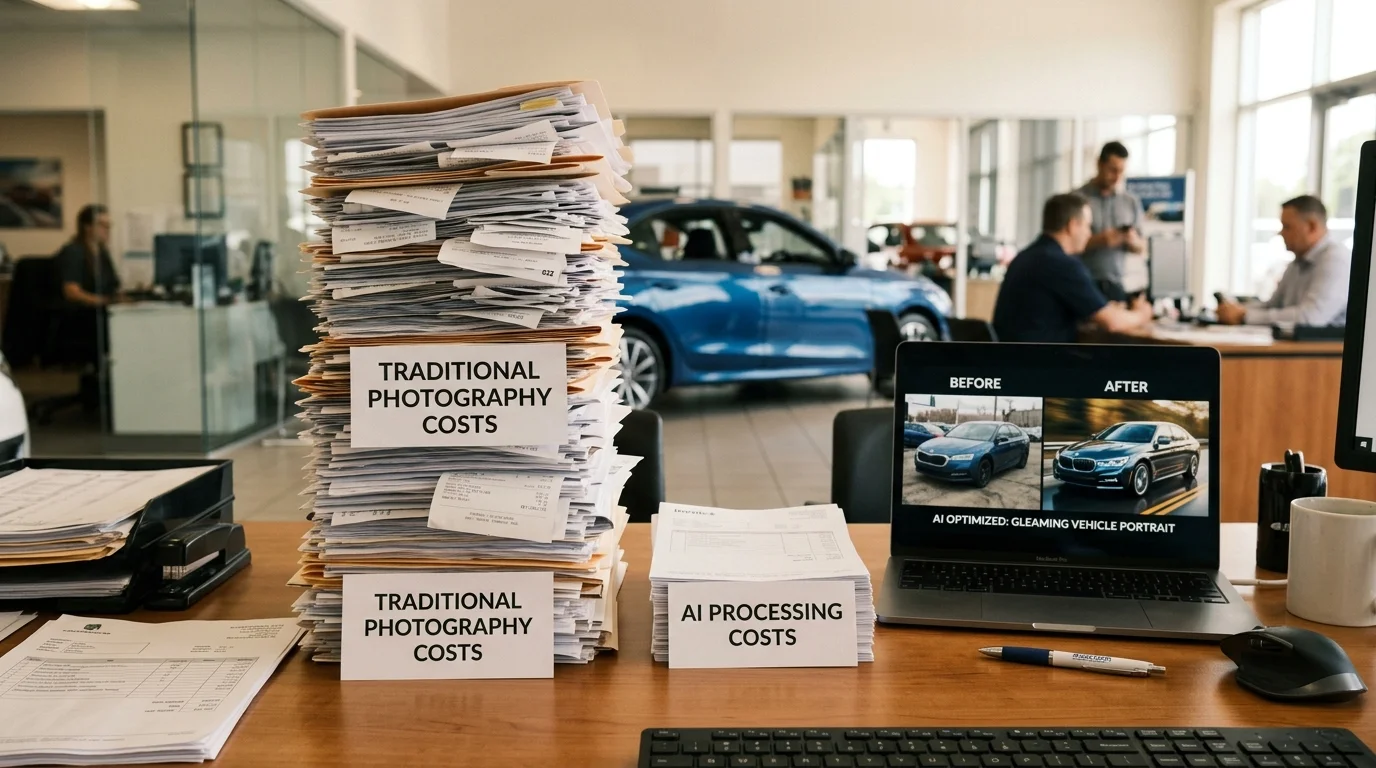
The economics of vehicle photography have shifted dramatically. Traditional studio setups demand substantial upfront investment—physical photo booths cost between $38,000 to $42,875 to purchase, or $667 to $1,717 monthly to rent. Professional automotive photographers charge $30 to $75 per vehicle, with hourly rates spanning $50 to $300 depending on experience and location. For a dealership processing 100 vehicles monthly, this translates to $3,000–$7,500 in photography costs alone.
AI-powered image transformation flips this equation. Processing costs drop to $3–$5 per image, meaning that same 100-vehicle inventory costs $300–$500 monthly. Over a year, a dealership saves $32,000–$84,000 while maintaining studio-quality results. The ROI becomes visible within weeks, not quarters. Turo hosts managing 5–20 vehicles see similar proportional savings, freeing capital for vehicle maintenance or inventory expansion instead of recurring photography fees.
Consistency & Speed: Maintaining Professional Appearance Across Inventory
Inconsistency kills credibility. When vehicles in your online catalog display wildly different lighting, backgrounds, and color grading—whether shot by multiple photographers or across different studio sessions—buyers perceive lower quality and hesitate to engage. AI tools eliminate this friction by applying uniform processing across your entire fleet.
Every vehicle receives identical lighting treatment, professional backdrop consistency, and color calibration. A dealership photographing 50 vehicles across two weeks maintains visual cohesion that would require coordinating multiple studio sessions or photographers. Seasonal inventory changes—rotating stock every 30–60 days—become manageable without rescheduling expensive photo shoots.
Speed amplifies this advantage. Traditional studio photography requires scheduling, travel, setup, and post-processing—often 2–5 hours per vehicle. AI processing delivers results in 10 seconds per image. A Turo host can photograph their entire fleet on a smartphone during lunch and have professional listings live by afternoon. This agility matters when market conditions shift or competitive pressure demands rapid inventory updates.
According to research from Cox Automotive, listings with professional-quality photos generate 30% more leads for new vehicles and 40% more leads for used vehicles. High-quality imagery directly correlates with engagement—buyers spend more time viewing listings, click through to contact forms, and schedule test drives at higher rates. When you maintain consistency across 200+ vehicles, that 30–40% lift compounds across your entire operation, translating to measurable revenue impact that justifies the platform investment many times over.
Comparing Coloring Page Styles, Watercolor Effects & Line Art Transformations
The aesthetic you choose for transforming car photos fundamentally shapes how buyers perceive your inventory and influences their decision to engage. Three dominant visual styles have emerged as industry standards, each serving distinct market segments and brand positioning strategies. Understanding the psychology and practical applications of each style empowers you to align your visual presentation with your target audience's expectations and your dealership's market position.
Studio Showroom Backgrounds: The Professional Standard
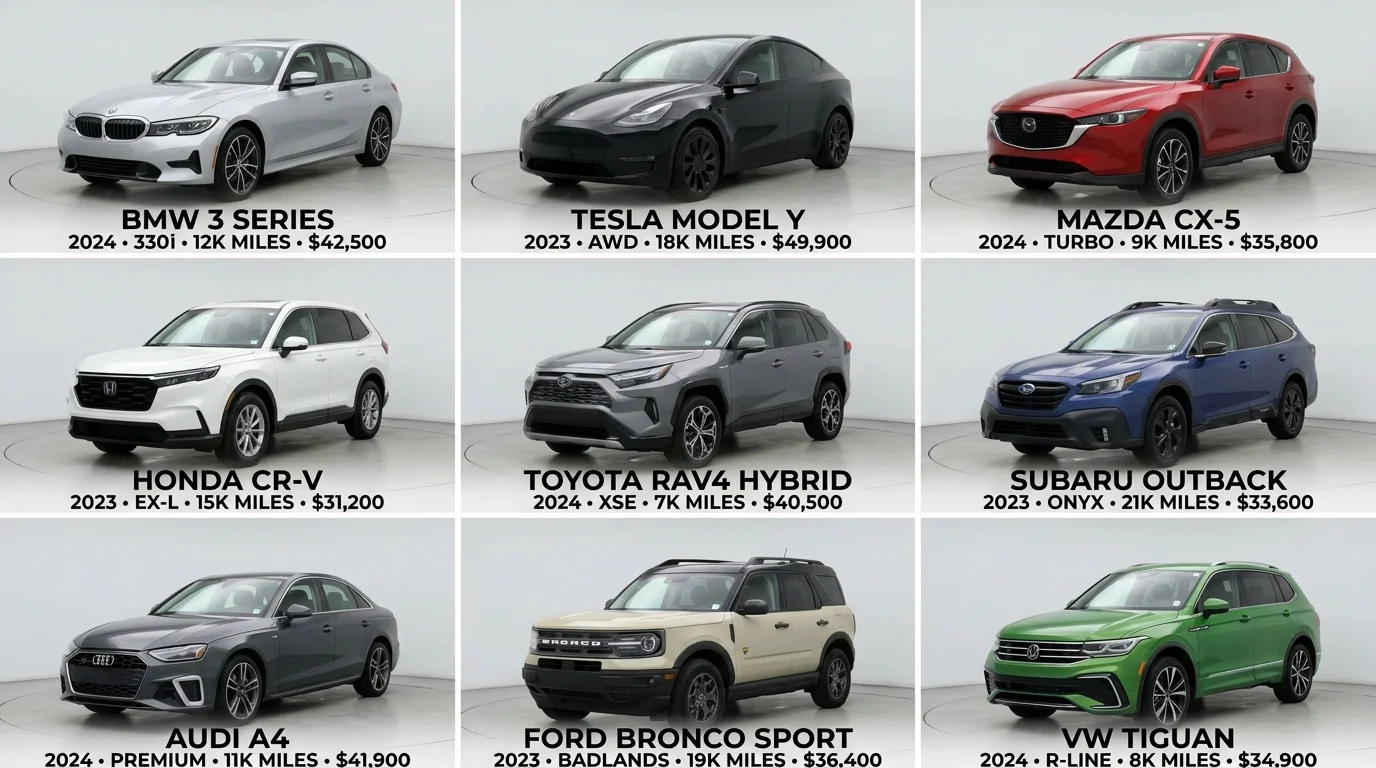
Studio showroom environments remain the gold standard for dealership photography because they communicate professionalism, trustworthiness, and institutional credibility. These backgrounds—whether sleek white infinity walls, luxury showroom interiors, or contemporary gallery settings—place vehicles in a context that suggests careful curation and expert handling. The vehicle becomes the focal point without distraction, allowing buyers to assess condition, trim details, and finish quality without competing visual noise.
This style dominates high-value inventory segments: luxury sedans, certified pre-owned vehicles, and premium trucks where buyer psychology favors controlled, curated presentation. Research from Cox Automotive demonstrates that professional-quality imagery generates substantially higher engagement rates, and studio backgrounds amplify this effect by signaling that a dealer has invested in proper presentation. For dealerships managing 50+ vehicles monthly, consistency across studio-rendered backgrounds creates a cohesive brand identity that builds buyer confidence across your entire catalog.
Watercolor & Artistic Renderings: Standing Out in Crowded Listings
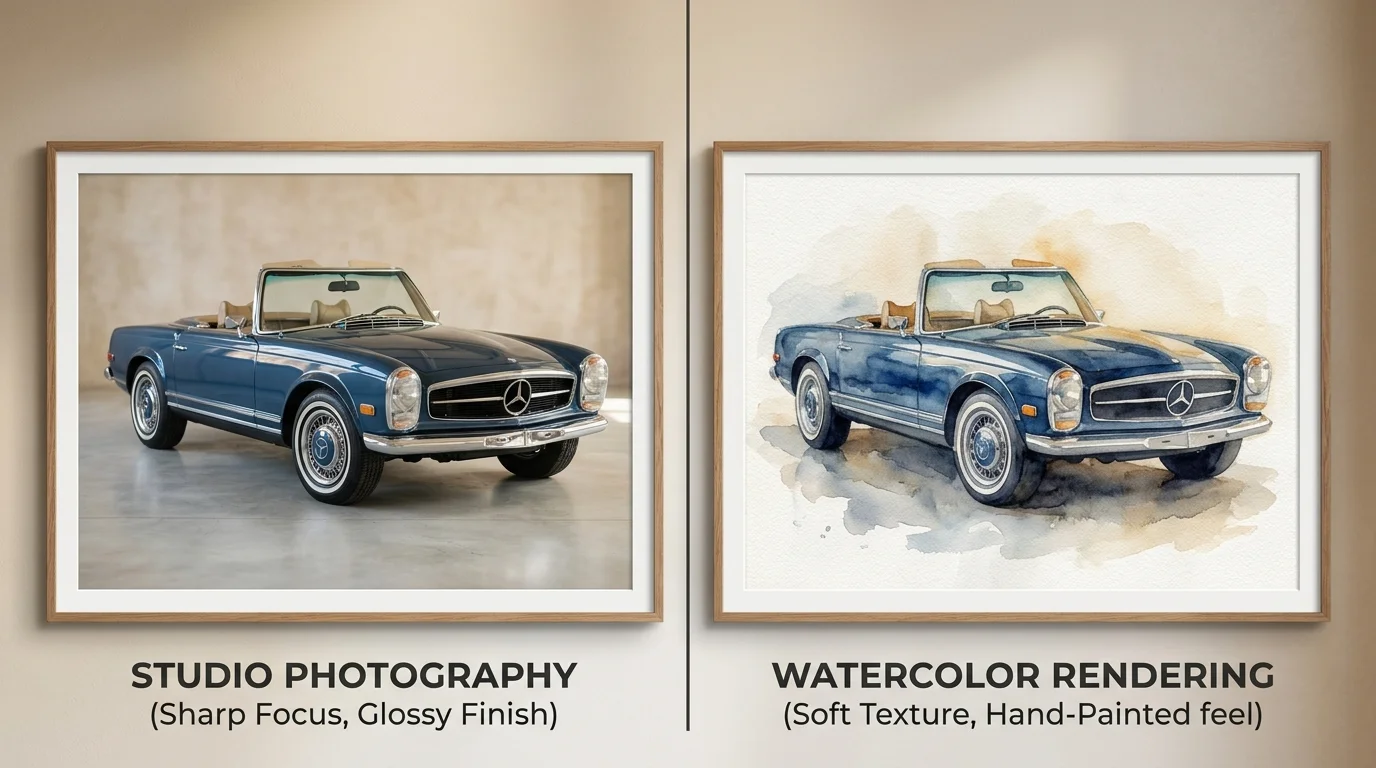
Watercolor effects and soft artistic transformations serve a fundamentally different purpose: differentiation in oversaturated marketplaces. When you turn a photo into watercolor style, you shift from documentary realism to interpretive presentation. This approach works exceptionally well for Turo hosts, independent used-car dealers, and niche automotive businesses competing against thousands of similar listings on rental platforms.
The psychological impact is subtle but measurable. Watercolor renderings feel less corporate and more curated—they suggest personality, care, and intentionality rather than mass-production photography. A vintage Volkswagen or classic restoration photographed in watercolor style appeals to buyers seeking character and authenticity. The softer color palette and artistic treatment create emotional resonance that pure studio photography sometimes fails to achieve. This style particularly excels for vehicles with compelling stories: restored classics, unique color combinations, or specialty vehicles where the narrative matters as much as the specifications.
Line Art & Minimalist Designs: Graphic Flexibility for Marketing
Converting photographs into line art or minimalist line-drawing styles unlocks entirely different marketing channels. When you transform a picture into line art, you create assets that extend far beyond listing pages—these designs work seamlessly in social media graphics, email campaigns, brochures, and promotional materials without requiring separate design work or illustration costs.
Line art outputs offer unparalleled flexibility because they strip away photographic detail and reduce vehicles to their essential geometric forms. A dealership can use the same line-art conversion across multiple marketing contexts: Instagram Stories, Facebook ads, printed inventory sheets, and website banners. The minimalist aesthetic appeals to design-forward dealers and modern automotive marketers who want visual consistency without the constraint of photorealistic imagery. Additionally, line art renders exceptionally well at small sizes—crucial for mobile-first marketing where thumbnail clarity determines whether a buyer clicks or scrolls past your listing.
The conversion process for line art typically requires specialized tools that can detect edges and simplify complex photographic information into clean contours. This differs fundamentally from studio background replacement, which preserves photorealistic detail while changing context. When selecting your transformation style, consider not just the immediate listing impact but the downstream marketing applications and how each aesthetic serves your broader inventory presentation strategy.
Final Thoughts: Choosing the Right Tool to Transform Your Car Photos in 2026
The automotive photography landscape has fundamentally shifted. What once required expensive studio setups, professional photographers, and weeks of scheduling now happens in seconds with AI-powered image transformation. For dealerships, Turo hosts, and automotive photographers, this isn't a luxury—it's a competitive necessity.
The decision to adopt AI-driven photo enhancement isn't about chasing trends; it's about survival in a market where buyer decisions hinge on image quality. Dealerships that invested early in background replacement and studio-quality conversions report faster inventory turnover and higher engagement rates across digital channels. The technology has matured beyond novelty into reliable, production-grade tooling that scales from single-vehicle listings to thousand-unit dealer networks.
Car Photo Booth represents this evolution—purpose-built for automotive professionals who need speed without sacrificing quality. With AI background removal, 100+ professional backdrop options, and 4K exports at under $3 per image, the economics are unambiguous. You're no longer choosing between affordability and professionalism; you're getting both.
The path forward is clear: test the technology risk-free with a free account (no credit card required), experience instant results on your own inventory, and decide whether faster, cheaper, professional-quality photos serve your business. Early adoption compounds—the dealers capturing market share in 2026 are those who embraced automation today.