
Image healing—the practice of using AI photo enhancement to restore and refine automotive photography—has become essential for dealers operating on competitive margins. Rather than paying thousands for studio sessions, auto dealers, Turo renters, and car photographers now leverage intelligent tools to transform ordinary lot shots into buyer-ready images in seconds.
Quick Answer: Image healing uses artificial intelligence to automatically remove distracting backgrounds, enhance vehicle details, and create consistent, professional-quality visuals across your inventory. This eliminates expensive studio sessions while dramatically improving online listing appeal.
This guide explores how AI transforms car photography, which tools deliver the best results, and how to implement healing workflows that scale with your business. By the end, you'll understand exactly why professional dealers are adopting these methods and how to get started immediately.
Table of Contents
- What Is Image Healing and How Does It Work for Car Photos?
- Why Image Healing Matters for Auto Dealers and Car Sellers
- Step-by-Step Guide: How to Heal Car Photos for Online Listings
- Real-World Applications: Using Image Healing for Auto Business Workflows
- Image Healing vs. Professional Studio Photography: Which Is Right for You?
- Best Practices and Common Mistakes in Automotive Image Healing
- Frequently Asked Questions About Image Healing for Car Photos
What Is Image Healing and How Does It Work for Car Photos?
Image healing utilizes advanced artificial intelligence to automatically detect and eliminate visual flaws in automotive photography. Unlike simple filters, this technology specifically targets surface imperfections like dust spots, minor scratches, and distracting background elements while strictly preserving the vehicle's authentic details. For those looking to master these techniques, our guide on how to clean up car pictures offers deeper insights into this workflow.
How AI Image Healing Differs from Traditional Retouching
Traditional retouching relies on manual, pixel-level editing that demands significant skill and time, making it impractical for bulk inventory. In contrast, AI-powered image healing automates this process, delivering consistent, studio-grade results in seconds. This speed is crucial for dealers managing hundreds of vehicles, as it eliminates the bottleneck of manual post-production without sacrificing quality.
Why Automotive Image Healing Is Not the Same as Portrait Retouching
While portrait editing often focuses on altering physical features, automotive image healing prioritizes surface accuracy and lighting correction. The goal is AI restoration that enhances the car's true condition—fixing reflections or scratches—rather than manipulating the object itself. Car Photo Booth excels here by refining the visual presentation while maintaining the integrity of the vehicle’s design.
Why Image Healing Matters for Auto Dealers and Car Sellers
Photo quality directly influences buyer behavior and your bottom line. According to research from Autotrader, vehicles accompanied by multiple custom photos receive 108% more VDP views and sell 20% more often than similarly priced listings without quality photos. Poor-quality images create friction in the buying journey, reduce offers, and extend time-on-lot—each day costs dealers substantially in holding expenses and opportunity cost.
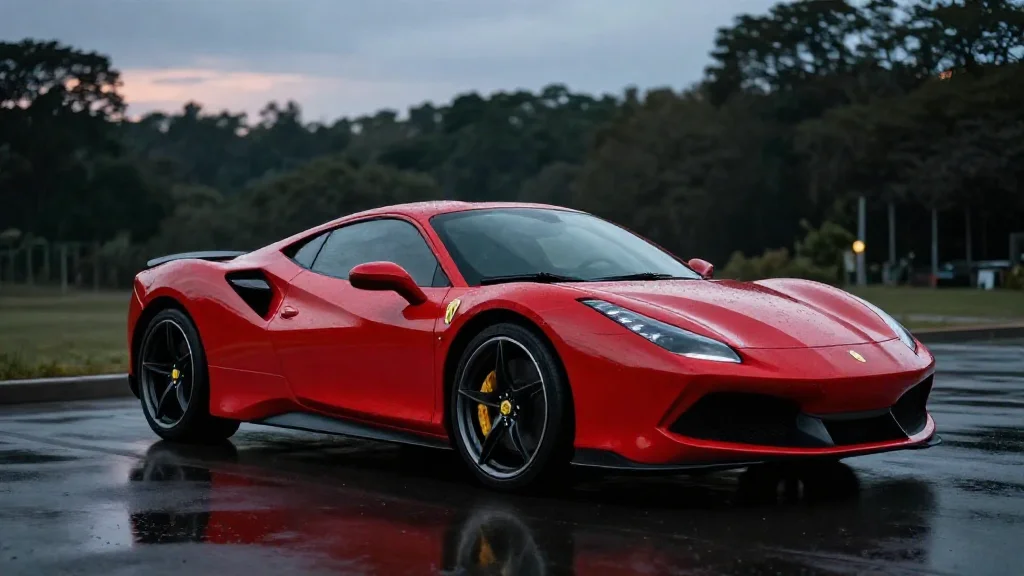
High-quality image healing removes distractions, allowing the vehicle to shine.
Common Car Photo Defects That Image Healing Solves
Lot conditions introduce persistent challenges: dust and dirt accumulation, scratches from minor contact, reflections from glass or chrome, distracting backgrounds that pull focus from the vehicle, water spots, and paint imperfections. Each defect erodes buyer confidence and signals neglect. For detailed guidance on addressing these issues, our guide on how to clean up car pictures for online listings walks through the specific workflow. Image healing removes these surface issues automatically, restoring the car's true presentation without manual retouching labor.
The Cost of Poor-Quality Car Photos
Professional studio photography costs $100-300+ per vehicle, making scaled inventory photography prohibitively expensive for most dealers. Yet delaying vehicle merchandising costs roughly $50 per day in holding fees alone. Inconsistent photo quality across your inventory undermines brand credibility and complicates competitive pricing. AI-powered image healing delivers studio-grade visual consistency at a fraction of traditional photography costs, accelerating your time-to-market while protecting margin.
Step-by-Step Guide: How to Heal Car Photos for Online Listings
Image healing transforms rough lot shots into gallery-ready visuals, but success depends on deliberate preparation and restraint. Here's how to move from identifying flaws to exporting a refined image that accelerates buyer interest without compromising authenticity.
Preparing Your Car Photos Before Healing
Start with the right raw material. Image healing works best when the vehicle is well-lit, clearly in focus, and positioned to showcase its dominant features. Natural daylight or consistent overcast conditions eliminate harsh shadows; avoid backlit or hazy afternoon shots that create uneven exposure.
Before uploading any photo, consider these preparation factors:
- Lighting: Shoot during morning or late afternoon hours when light is soft and directional
- Angle: Capture the car's best side with wheels fully visible; avoid extreme angles that distort proportions
- Composition: Leave breathing room around the vehicle; tight crops limit healing flexibility
- Multiple shots: Photograph each car from at least three angles to maximize upload variety and improve conversion rates across listings
Proper composition matters because image healing tools work within the frame you provide—a poorly composed shot constrains what restoration can achieve, even with advanced AI. Spend 30 seconds per angle to get clean framing before relying on the healing process.
Using Image Healing Tools for Common Car Defects
Once you upload a photo, systematically scan for the defects that erode buyer confidence. Begin with dust and dirt accumulation on the hood, windshield, or wheels; these are healing's quickest wins. Next, identify scratches, water spots, and reflections on chrome or glass surfaces. Finally, assess background distractions—power lines, lot clutter, or other vehicles pulling focus away from your unit.
Most AI-powered platforms, including Car Photo Booth, provide intuitive brush or selection tools to target specific flaws. Adjust brush intensity to match the defect severity: minor dust requires 30–50% strength, while deeper scratches may need 70–85%. Use smaller brush sizes for precision work on small areas and larger brushes for expansive repairs on doors or panels.
The key is layering light touches rather than aggressive single passes. Apply healing in stages, reviewing results after each pass to avoid over-correction.
Maintaining Natural Results Without Over-Processing
Transparency builds trust. Over-healed images that blur imperfections or hide the vehicle's true wear signal dishonesty to savvy buyers and damage your dealership's credibility long-term.
Know when to stop healing: minor defects that disappear in person don't require correction. Conversely, recognize healing limits—severe dents, rust, or mechanical issues demand a reshoot or professional detailing, not digital concealment. Image restoration serves enhancement, not deception.
Export your final image at full resolution for multi-platform optimization, ensuring consistency across your website, classified listings, and social channels.
Real-World Applications: Using Image Healing for Auto Business Workflows
Image healing transforms from a nice-to-have into essential operational efficiency when applied across dealership workflows. Rather than correcting photos one at a time, professionals now apply healing and enhancement at scale—processing entire inventories in hours instead of weeks, and maintaining visual consistency across every sales channel.
Bulk Image Healing for Large Inventory Management
Dealers managing 50+ vehicle listings face a critical bottleneck: manual editing and retouching create substantial processing delays. According to Spyne's analysis, manual workflows routinely create three to seven-day backlogs, particularly during high-acquisition periods, whereas AI processing eliminates the backlog entirely. A vehicle photographed on Tuesday afternoon can be healed, background-optimized, and published by evening. Batch processing tools allow you to upload 50 photos simultaneously, apply uniform healing profiles, adjust intensity settings globally, and download the entire processed batch in under 30 minutes. This workflow is especially valuable during seasonal peaks—model year releases, holiday sales events, or fleet acquisitions—when your dealership accumulates dozens of photos daily. The result is faster inventory turnover and zero delays between acquisition and public listing.
Ensuring Consistency Across Multiple Sales Platforms
Cars listed on multiple channels—your dealership website, Autotrader, Facebook Marketplace, Craigslist, and brand-specific platforms—benefit dramatically from consistent, professionally healed imagery. When photos appear uniform across platforms, customers perceive higher credibility and professionalism. Inconsistent imagery creates confusion: a buyer sees a pristine vehicle on your website but a scratched, poorly lit photo on a third-party listing and questions which version is authentic. Standardized healing profiles ensure every platform displays the same quality benchmark, reinforcing trust and reducing customer service inquiries about photo discrepancies.
Optimizing Car Rental Photos for Turo and Similar Platforms
Turo hosts compete primarily on photo quality—renters make booking decisions within seconds based on visual first impressions. Professional image healing removes dust, minor scratches, and lighting imperfections that cost rental bookings. Hosts who apply consistent healing across their fleet photographs report higher conversion rates because vehicles appear market-ready and well-maintained. The investment in professional-quality car photos eliminates expensive studio photography fees while competing directly with premium listings.
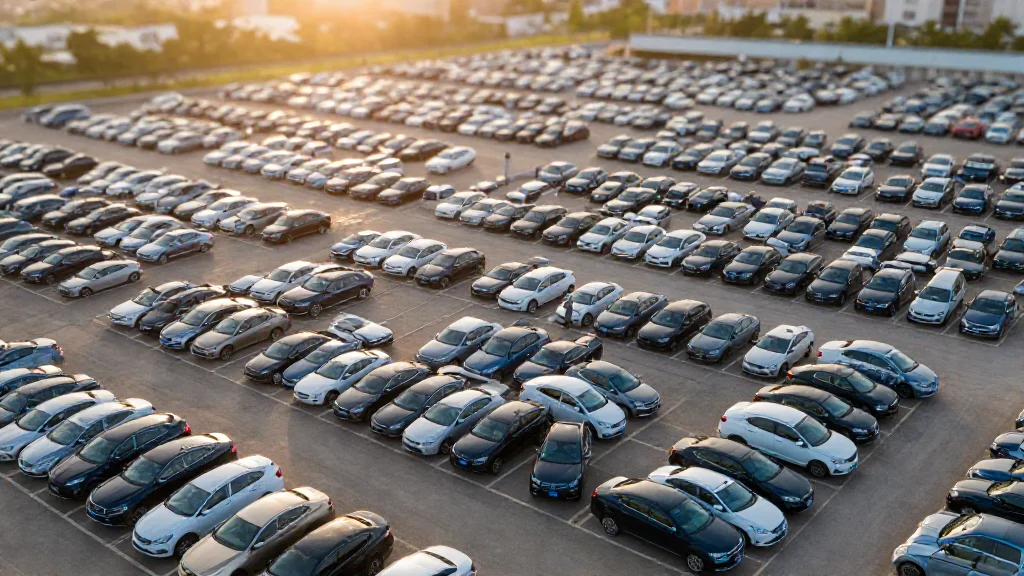
Bulk image healing allows dealerships to process large inventories efficiently.
Image Healing vs. Professional Studio Photography: Which Is Right for You?
The choice between image healing and professional photography hinges on three factors: budget, volume, and vehicle tier. Understanding the trade-offs ensures you invest smartly across your inventory.
Cost Comparison: Healing vs. Studio Photography
The financial gap is striking. Professional automotive photography for premium listings costs $200 to $1,000 per vehicle package, while according to Spyne's analysis, outsourced manual editing runs $45–$120 per vehicle. AI batch processing operates at under $0.50 per image. For a 100-vehicle lot, professional studio work totals $20,000–$100,000, while image healing costs under $50.
| Approach | Cost per Vehicle | 100-Vehicle Total | Editing Timeline |
|---|---|---|---|
| Professional Studio | $200–$1,000 | $20,000–$100,000 | 2–4 weeks |
| Manual Post-Processing | $45–$120 | $4,500–$12,000 | 1–2 weeks |
| AI Image Healing | $0.50–$2 | $50–$200 | Minutes |
Speed and Scalability: Why Image Healing Wins for Volume
Studio photography requires scheduling, travel time, and processing delays. Image healing eliminates this bottleneck entirely—transforming 50 lot photos in under an hour. For dealers managing 200+ vehicles monthly, this speed advantage directly translates to faster listings and higher conversion windows.
When Professional Photography Is Still Worth the Investment
Luxury vehicles, flagship models, and auction listings justify professional photography. High-value inventory ($50,000+) benefits from bespoke studio environments, professional lighting, and branded storytelling. Image healing serves as the foundation, but premium segments deserve premium presentation. The most cost-efficient approach pairs image healing for volume listings with professional-quality car photos for your top-tier inventory.
Best Practices and Common Mistakes in Automotive Image Healing
When to Use Image Healing vs. Other Editing Tools
Image healing excels at removing dust, scratches, water spots, and minor blemishes—surface imperfections that distract from the vehicle itself. However, it has boundaries. For exposure problems, use dedicated exposure adjustment; for color casts, apply color correction; for dramatic background changes, rely on background replacement. Think of healing as the foundation layer. When you photograph a dusty lot car, heal the surface defects first, then enhance exposure and apply your chosen background through AI-powered editing tools that handle the broader visual strategy.
Avoiding Over-Processing and Maintaining Authenticity
Aggressive healing creates unrealistic results that erode customer trust. Subtle, targeted healing preserves vehicle condition details—a critical factor for transparency. Buyers expect minor wear on pre-owned vehicles; hiding significant damage through excessive retouching invites returns and disputes. Apply healing restraint: remove dust and minor marks, but preserve character lines, texture, and honest condition indicators. Use a light hand, review results at 100% zoom, and remember that honest enhancement converts better than artificial perfection in automotive sales.
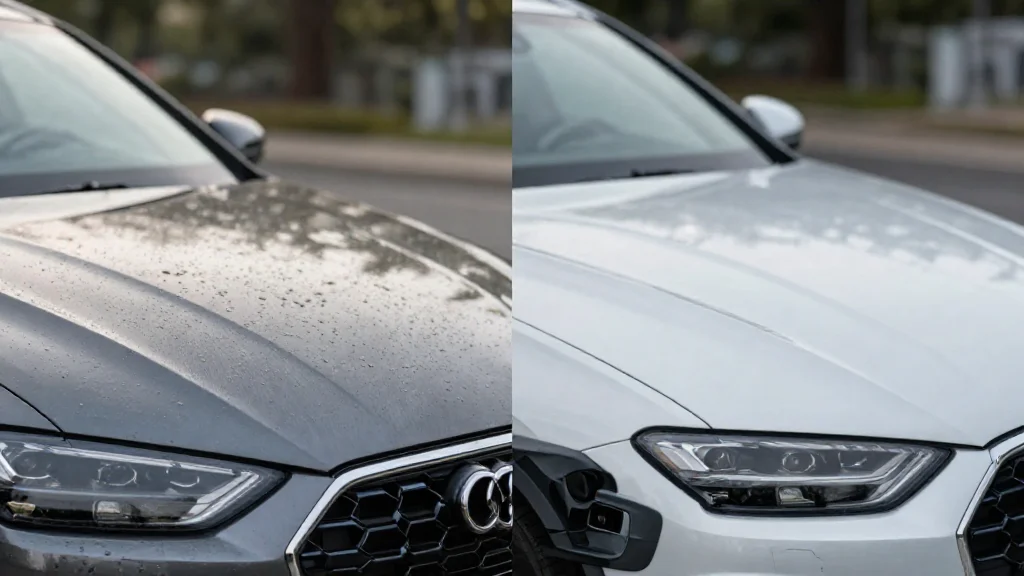
Maintaining authenticity means enhancing the vehicle's true condition without over-processing.
Frequently Asked Questions About Image Healing for Car Photos
Concerns about authenticity, legal standing, and implementation often hold dealers back from adopting image healing. The good news: most common worries dissolve with clear understanding.
Will buyers perceive healed photos as unrealistic? No. Healing removes dust, minor scratches, and surface blemishes—edits so subtle that buyers register them as honest clarity restoration, not fabrication. You're revealing the vehicle's true condition, not hiding it.
Is photo healing legal for dealership listings? Absolutely. Healing is transparent enhancement, equivalent to exposure adjustment or color correction. It never replaces mandatory damage disclosure; always pair it with condition reports and detailed inspections.
Can I heal multiple vehicles simultaneously? Some batch-processing exists, but manual review per vehicle ensures quality and prevents automated errors. Each car deserves individual attention to preserve authentic character.
What software suits beginners best? AI-native tools like Car Photo Booth automate the entire workflow—detecting flaws, healing, and replacing backgrounds in one pass. No learning curve required; results arrive in seconds.
Does healing compromise transparency obligations? No. You're refining surfaces, not concealing structural damage. Honest surface enhancement actually builds buyer confidence better than artificial perfection.